World Humanitarian Day, GCMHE Slams Governors Over increase poverty
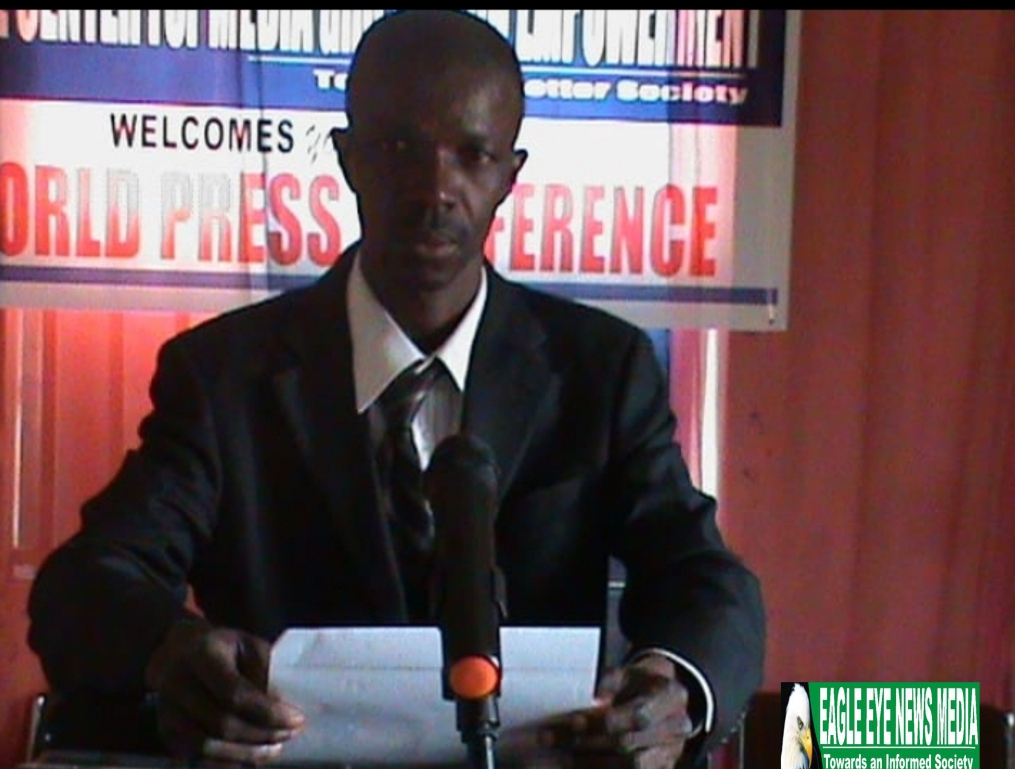
Eagle Eye News24
JOS, NIGERIA — Coinciding with the global observance of World Humanitarian Day on August 19, the Global Center for Media and Human Empowerment (GCMHE) has marked its annual anniversary with scathing assessment of governance in Nigeria. Aligning with the 2026 international campaign theme, “Act for Humanity,” the civil society group rolled out its own localized theme for the year: “Building Resilient Foundations: Prioritizing Human Dignity, Economic Security, and Accountable Governance.”
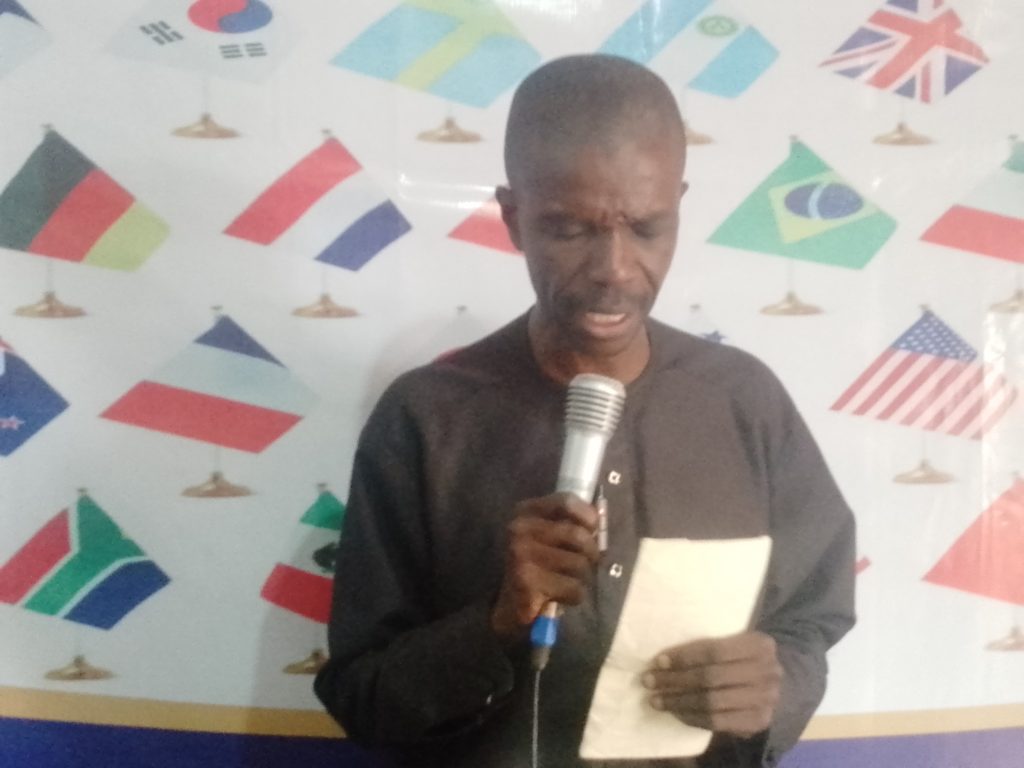
In an official statement issued in Jos, the Acting Executive Director of GCMHE, Charles Ejoh, called on the federal and state governments to look beyond empty symbols and take immediate, decisive action to preserve human life rather than funding superficial infrastructure and premature political campaigns.
Mr. Ejoh stated that this year’s theme directly reflects the group’s unyielding institutional vision for human advancement. He warned that the structural social crises rocking Nigeria’s rural areas must be tackled decisively by the Federal Government to halt the overwhelming waves of rural-urban migration choking major cities.
The GCMHE boss also turned his focus heavily on the country’s ongoing security and hostage crises, using the global humanitarian platform to make an urgent appeal regarding citizens held by insurgent groups in the Northeast and other flashpoints.
“We are using this medium to call on the Federal Government to, as a matter of urgency, issue a definitive matching order to all security agencies to facilitate the immediate release of victims of terrorists still in captivity in Borno and other security-prone states across Nigeria,” Ejoh declared. “National security is foundational to human dignity; our citizens cannot remain indefinitely in the custody of terrorists. To truly ‘Act for Humanity’ today, we must bring our people home.”
Turning his lens on regional governance, Ejoh directed a sharp rebuke at state executives within the North-Central geopolitical zone, stating that regional governors must aggressively reorient their agendas to focus on deliberate, measurable poverty reduction policies.
“Governments in North-Central Nigeria must be highly intentional. They must stop dedicating massive resources to the vanity construction of bridges and flyovers while their citizens starve,” the statement read. “True development lies in the alleviation and total reduction of poverty, not in concrete structures that offer zero immediate economic respite to a suffering population.”
The advocacy leader also made an impassioned, specific appeal to the Plateau State Government, tasking leadership to urgently confront the protracted humanitarian plight of Internally Displaced Persons (IDPs) and resolve the foundational security challenges plaguing parts of the state.
Expressing deep frustration with the current political atmosphere, Ejoh warned politicians across the country to instantly halt all covert and overt maneuverings for the 2027 general elections. He stressed that public office holders must focus completely on deliverable governance to safeguard the country today rather than draining public coffers on distant electoral ambitions.
Ejoh reminded stakeholders of GCMHE’s historical track record in holding leadership accountable, recalling its proactive interventions during the peak of the 2020 COVID-19 pandemic. At the time, the center stood as a vital voice demanding institutional protection for journalists, aid workers, and frontline essential staff.
The group also highlighted its early whistleblowing role regarding the deep-seated corruption within the Ministry of Humanitarian Affairs, Disaster Management and Social Development under its former minister, Mrs. Sadiya Umar Farouq. Ejoh noted that GCMHE had formally advised the administration of former President Muhammadu Buhari to immediately split the ministry to allow for closer oversight and easy supervision—a warning that has since been vindicated by unfolding national events.