Bridges of Concrete, Chasms of Poverty: The Misplaced Priorities of Nigerian Governors
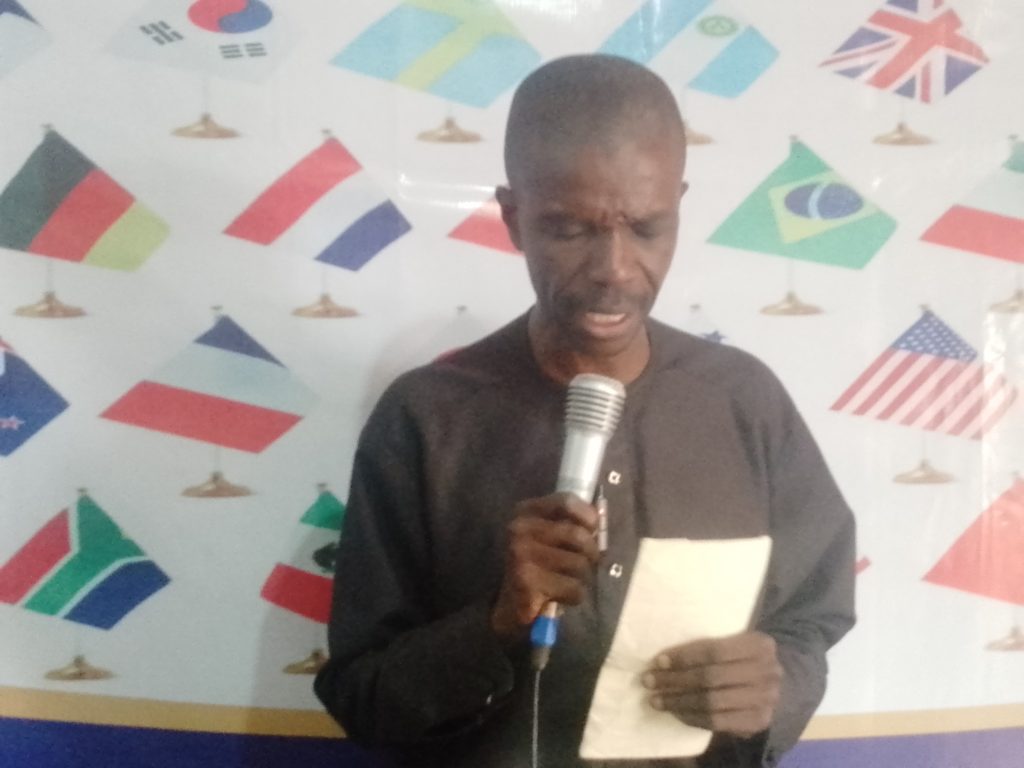
Every year, organizations and nations commemorate institutional milestones with grand speeches and renewed declarations. Yet, true impact is found not in the rhetoric of celebration, but in the boldness of a collective resolve to better humanity. This ideal forms the core of the Global Center for Media and Human Empowerment’s (GCMHE) latest anniversary declaration, driven by this year’s highly timely theme: “Building Resilient Foundations: Prioritizing Human Dignity, Economic Security, and Accountable Governance.” It presents a vital blueprint that Nigerian leadership can no longer afford to ignore.
The theme of this year’s anniversary serves as a mirror to our national conscience. It asks a fundamental question: what is the true purpose of governance? In a country where millions are trapped in cyclical poverty, the ongoing obsession of state executives—particularly across the North-Central zone—with capital-intensive physical infrastructure like bridges and flyovers is deeply misaligned with the concepts of human dignity and economic security. Concrete structures do not feed hungry children; they do not heal the sick, and they do not shield families from inflation. Leadership must become hyper-intentional, realigning state budgets away from monuments of steel and toward direct poverty reduction and human empowerment.
Beyond economic survival, human dignity demands physical security and freedom from terror. It is impossible to speak of “building resilient foundations” when hundreds of our compatriots remain caged in forest camps by bandits and insurgents. We must use this medium to strongly urge the Federal Government to act with extreme urgency and speed to secure the quick release of all victims of terrorists still languishing in captivity across Borno and other security-prone states in Nigeria. A government that cannot guarantee the swift rescue of its citizens from non-state actors fails its primary constitutional mandate.
The lingering trauma of these captives and their families is a dark stain on our national conscience that no amount of urban infrastructure can cover.
Nowhere is this human crisis more glaring than in the silent displacement fields of Plateau State. The unresolved plight of Internally Displaced Persons (IDPs) and the stubborn security challenges in the region are open wounds on our collective humanity. To ignore these populations while building magnificent urban visual projects is a moral failure that contradicts any claim of building a resilient foundation.
Similarly, the ongoing collapse of rural economies has triggered an unsustainable rural-urban migration drift, turning our major cities into centers of socio-economic despair because the Federal Government has failed to guarantee basic rural security and micro-economic stability.
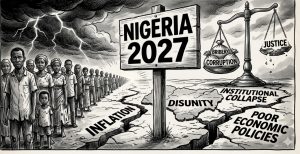
Perhaps the most toxic element in our current political environment is the premature obsession with the 2027 general elections. It is an insult to struggling citizens that leaders elected to serve today are already redirecting their focus, energy, and public resources toward securing positions years into the future.
Accountable governance has been completely abandoned for politics.
GCMHE’s history reminds us that systemic issues only fester when institutional warnings are ignored. Years ago, during the COVID-19 crisis, the center stood firm for essential workers. It was also among the very first civil society bodies to ring the alarm on the massive, deep-seated corruption within the Ministry of Humanitarian Affairs under Mrs. Sadiya Umar Farouq, demanding a structural split for better supervision. Had the presidency listened then, billions meant for the poorest Nigerians might have been saved from predatory state actors.
We must return to the basics of human-centric governance. Bridges are necessary, but they should only be built to connect prosperous communities, not to overshadow the graves of citizens who died from administrative neglect or remain forgotten in terrorist hideouts.
It is time for Nigerian leaders to listen to the GCMHE declaration and understand that the ultimate measure of any government is how it protects, empowers, and uplifts its most vulnerable people.